4a
How did Orange County Become a Center for Diversity and Progress?
When California first became a state, there was no Orange County. What is now Orange County was farmland and Mexican ranchos. Native American groups lived in small communities whose numbers had been severely diminished by European settlement and disease. Immigrants from Germany settled in the region, establishing Anaheim in 1859. The first Orange County town to show up in the U.S. Census was Santa Ana in 1870, with 1,145 residents. Orange County broke away from Los Angeles County in 1889, establishing the county seat in Santa Ana. The population of Orange County in 1890, according to the U.S. Census, was 13,589, less than 0.5% of its current population.
Since its founding, Orange County has witnessed the arrival of millions of people from every part of the world. By 2020, the population exceeded 3 million residents, making Orange County the sixth most populous county in the United States.
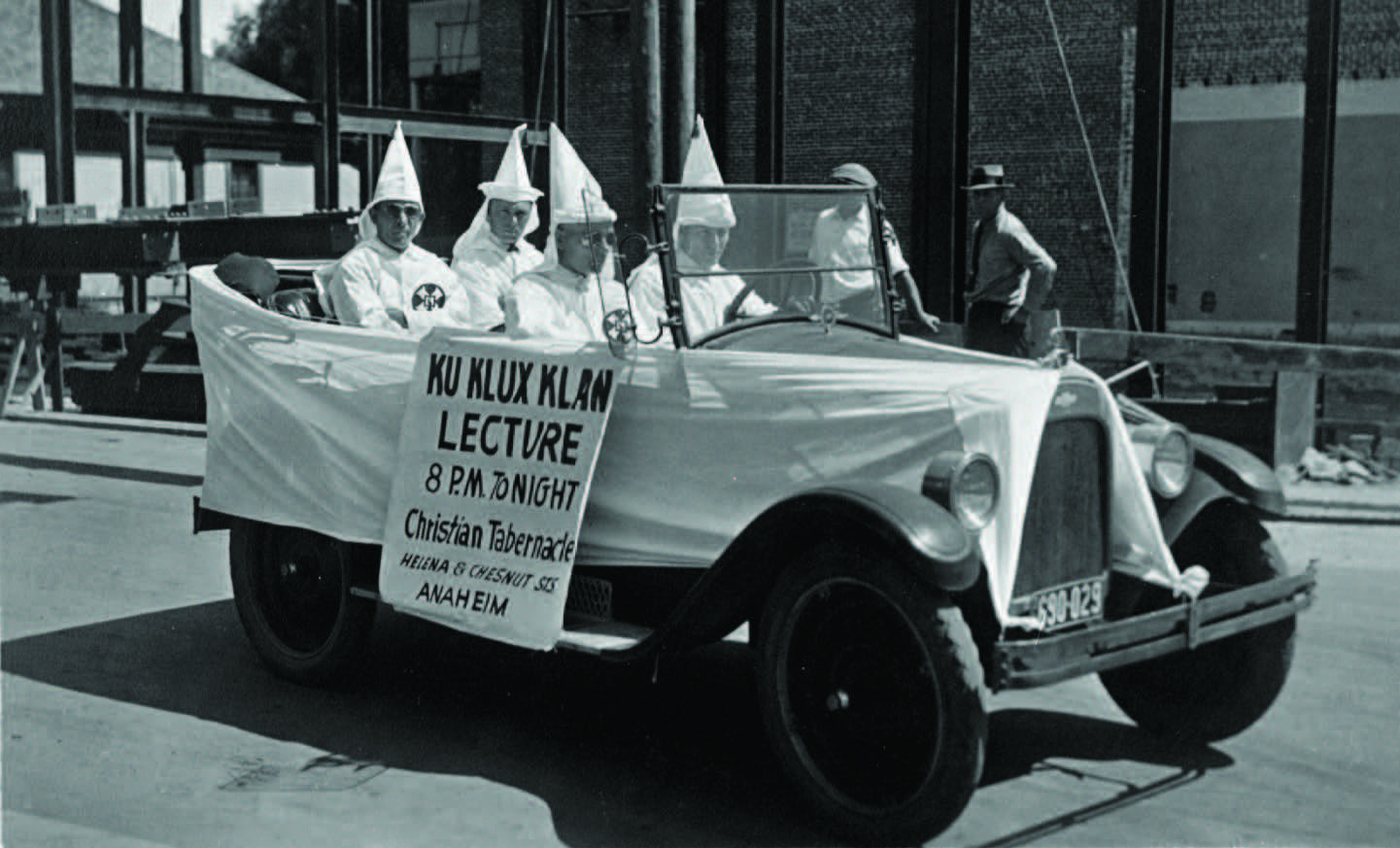
Becoming a center for diversity and progress required many ordinary people to stand up for American principles and fight to put them into practice. For example, in the 1920s, the Ku Klux Klan gained a foothold in Orange County. On this panel, you’ll find a photo of Anaheim Klansmen from that era. By 1924, Klan-supported candidates held a majority on the Anaheim City Council.
The citizens of Anaheim rallied to recall these Klan- supported council members, with the support of District Attorney Alexander P. Nelson. In a 1925 recall election, 95% of registered voters came to the polls and cast their votes.
The citizens of Anaheim defeated the Klansmen in a landslide.
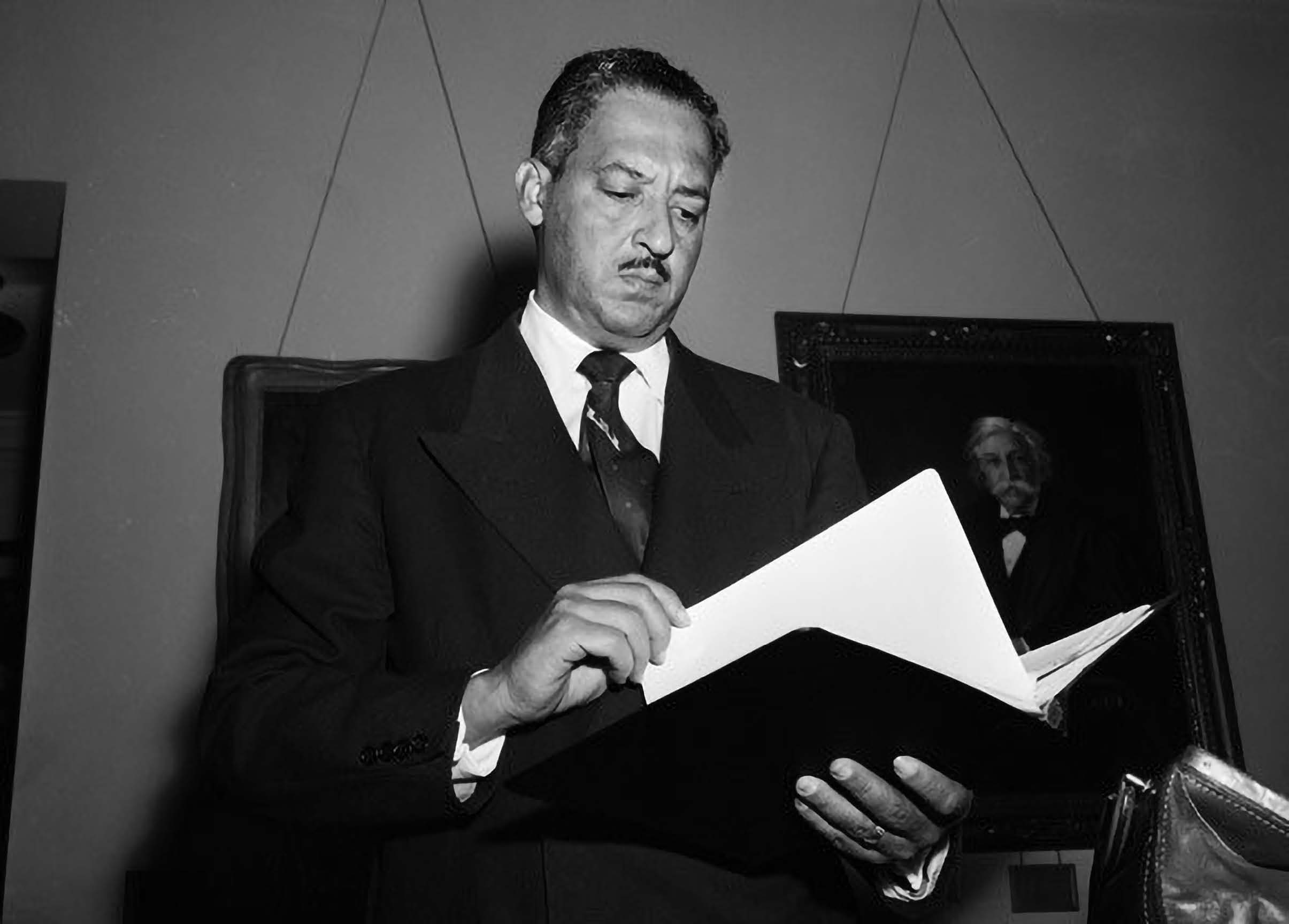
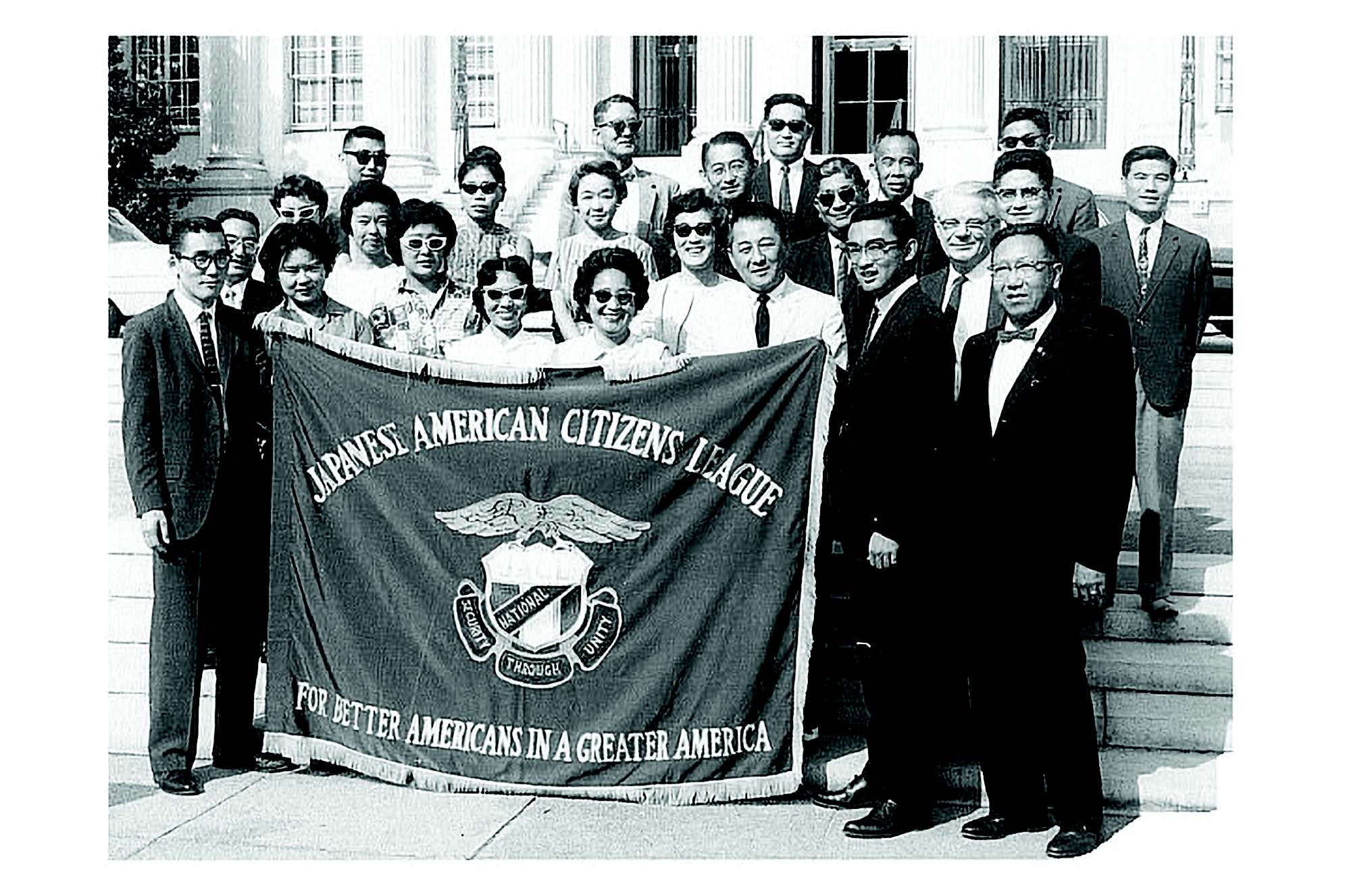
That vote certainly did not end discrimination in Orange County. Twenty years later, the Mendez family and their co-petitioners, like most other students of Mexican heritage in Orange County, were still being denied educational equality. But the steady work of ordinary people from all walks of life and from every community and background made this county a center for diversity and progress. They included Mexican-American families who stood together, Japanese-American families who courageously persevered through internment, a European-American banker who brought the Munemitsu and Mendez families together and helped craft the lease agreement, Jewish-American attorney David Marcus who represented the families, and the African-American attorneys of the NAACP, including Thurgood Marshall, who supported the fight for school integration in Orange County.

 Select Language
  Scavenger Hunt Items