3e
Activity: Analyzing Photographs
Photographs are primary sources that play an important role in our understanding of people, events and places that have shaped our past. They can provide information, memorialize events and evoke emotional responses.
Use these four steps to analyze the photographs:
- Determine the subject (theme or topic) of the photograph
- Determine the point of view (outlook or attitude)
- Explore the mood that is being conveyed
- Use outside knowledge to help you interpret what is happening in the picture
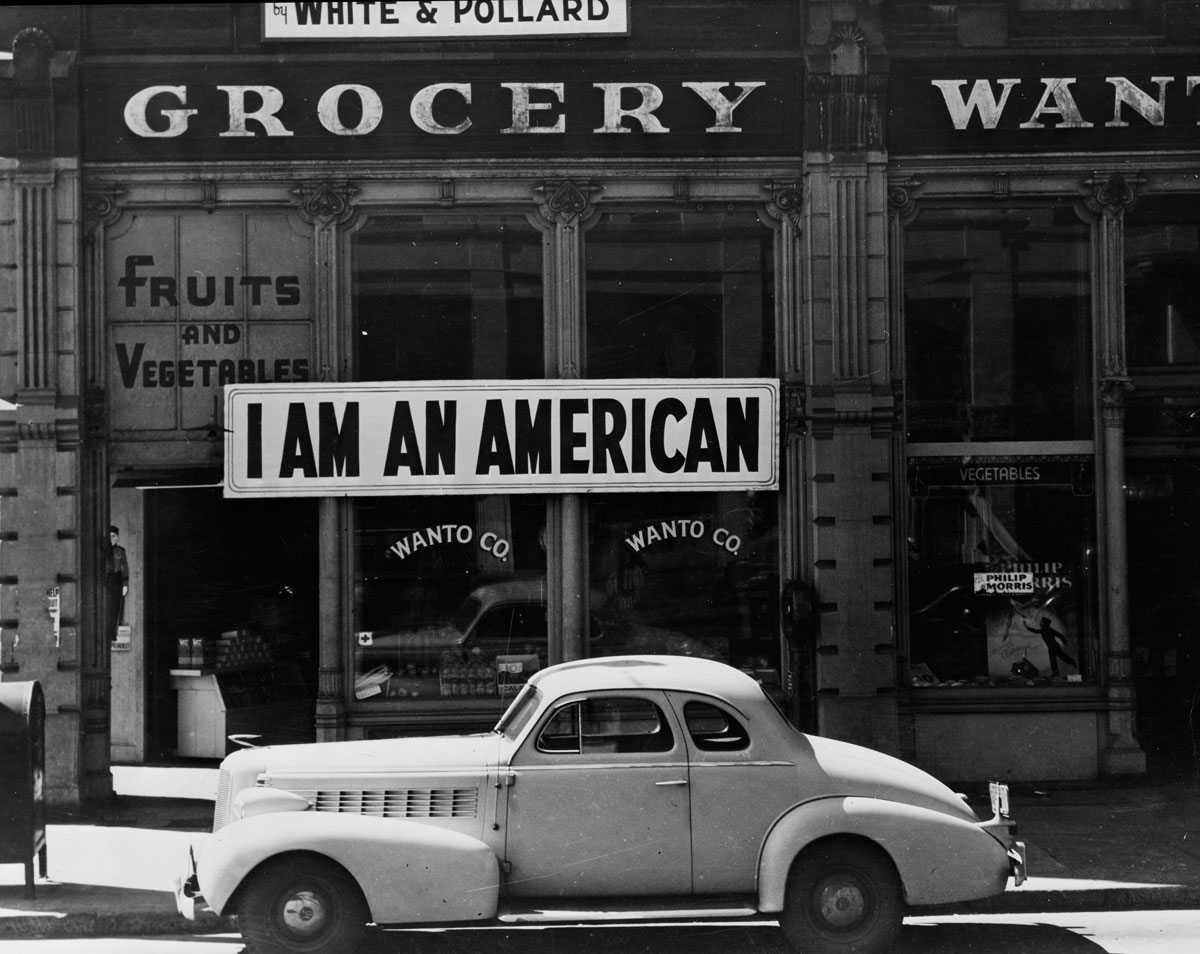
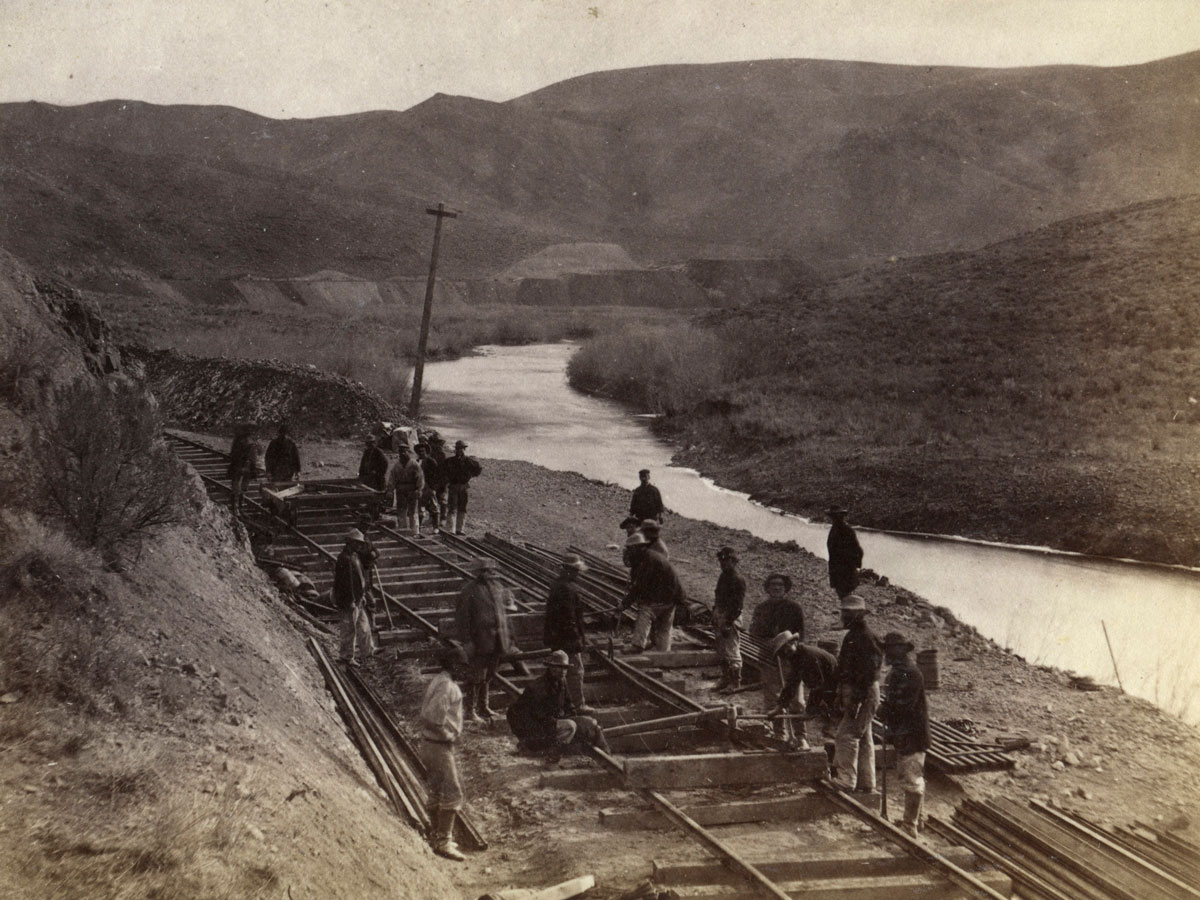
Look at the photographs and use the questions to discuss how they depict the diversity of the people who built California.
What do you see?
Who is pictured?
What is happening?
How do the images reflect California’s diversity?
What are the push and pull factors that brought people to California? Push factors are those that cause you to leave your home. Pull factors are those that make the new place appealing.
What tone (feeling) does each picture evoke? How is the tone of each similar/different?
What theme (message) does each photograph convey? How is the theme of each similar/different?
What evidence do you see of the American principles of truth, civil rights, equality, life, liberty and the pursuit of happiness?
 Select Language
  Scavenger Hunt Items