3c
How did the Munemitzu Family Contribute to the Story of Mendez v. Westminster?
The Japanese-American Experience
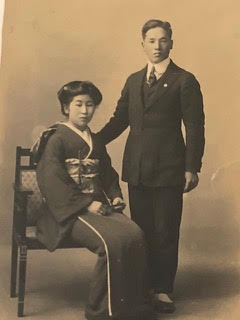
Many Japanese immigrants started arriving in California after Japan’s Meiji Restoration in 1867 overthrew the old Samurai system and uprooted many people from traditional lands. Japanese immigrants began to find opportunities in industries such as farming, but soon met resistance. In 1906, the San Francisco Board of Education decided to segregate students of Asian heritage, and many other districts followed suit.
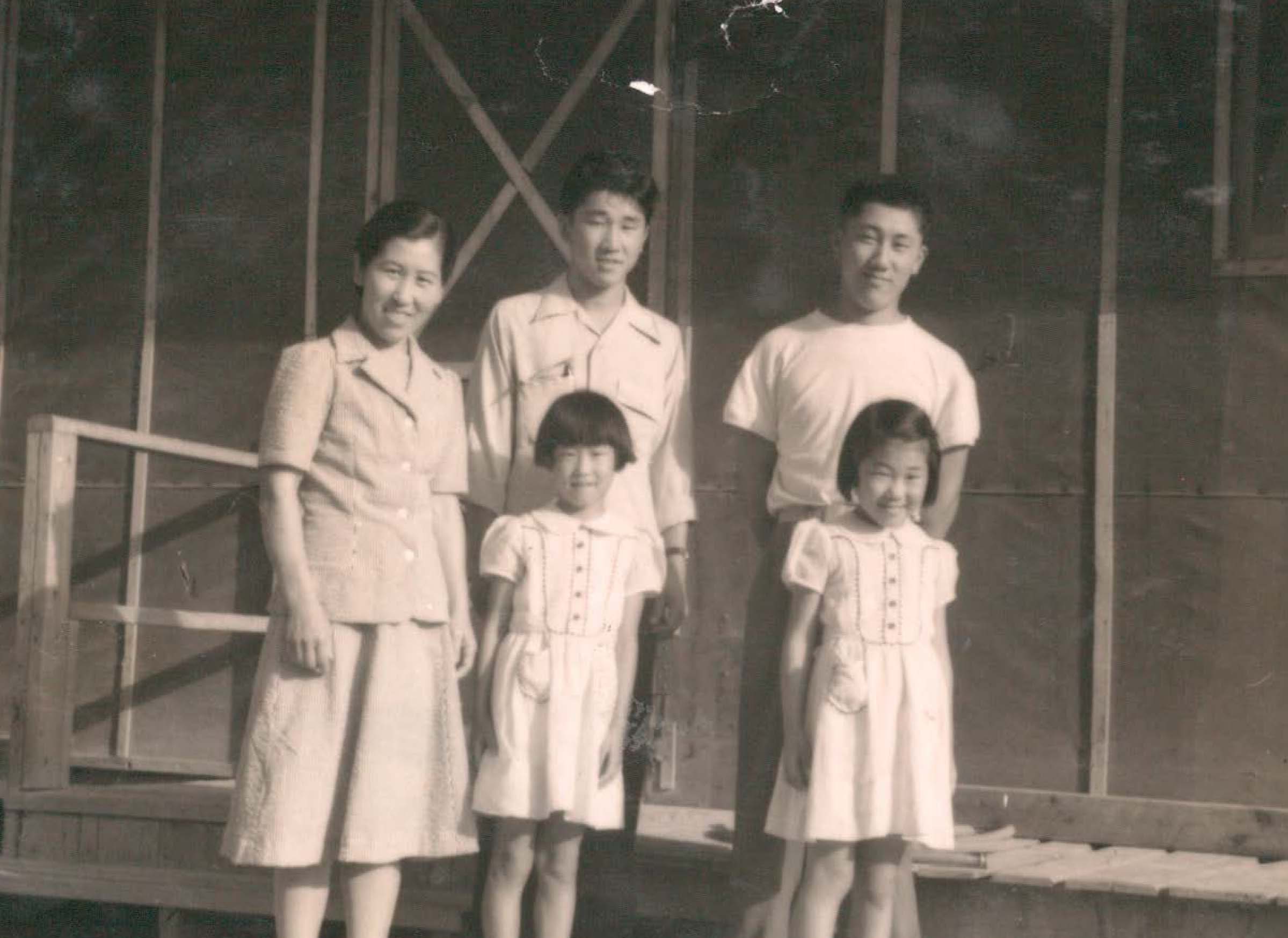
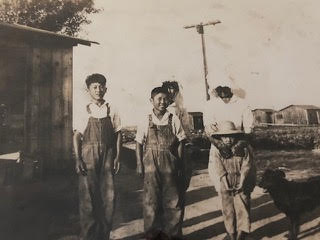
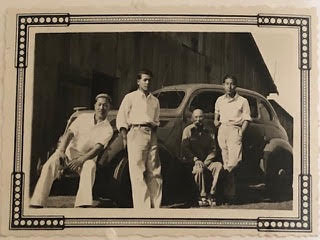
While young Japanese immigrants like Seima Munemitsu faced many obstacles, Seima found a way to purchase a farm in Westminster. Soon it was thriving and his family was growing. But when Japan launched an attack on Pearl Harbor on Dec. 7, 1941, President Franklin Roosevelt issued Executive Order 9066, authorizing the removal of Japanese-Americans from their homes in states on the West Coast. Approximately 120,000 Japanese-Americans who were loyal to the United States were relocated to internment camps.
Thousands of Japanese-Americans volunteered to fight for the United States in World War II, but their families were deprived of their liberty and rights as citizens.
While many Japanese-Americans lost their homes and farms because of internment, the Munemitsu family was able to save their land by leasing it to Gonzalo and Felicitas Mendez, who kept the farm thriving in their absence. When the war ended and the Munemitsu family returned, they lived with the Mendez family on the farm until the following harvest. The family’s daughters, Sylvia Mendez and Aki Munemitsu, became friends. You can read about their friendship in a book called Sylvia and Aki, by Winifred Conkling. In 1988, President Ronald Reagan issued an apology and reparations to the Japanese-American families who had been unjustly removed from their homes in violation of our American principles.
 Select Language
  Scavenger Hunt Items