3a
How did California Become the Most Diverse State in the U.S.?
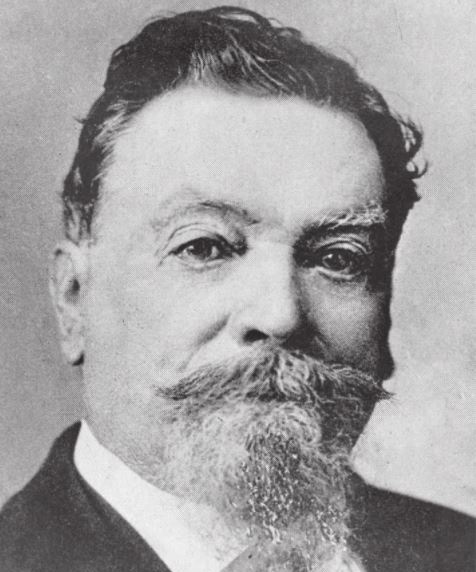
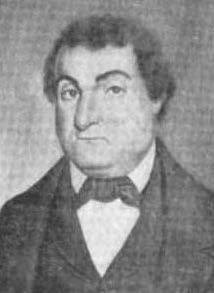
José Antonio Carrillo. José María Covarrubias. Pablo de la Guerra. Manuel Guadalupe Vallejo. These were just a few of the people who signed the new Constitution of the State of California in 1849. This new agreement was also known as Constitución del Estado de California. This Constitution was written in both English and Spanish and signed by people with Spanish as well as English surnames. The bilingualism that shaped California represents the extraordinary diversity that has continued throughout the state’s history.
California was a land of diverse people from the beginning. Hundreds of Native American groups lived here, speaking many different languages, their lifestyles varying according to the climate of the region in which they lived.
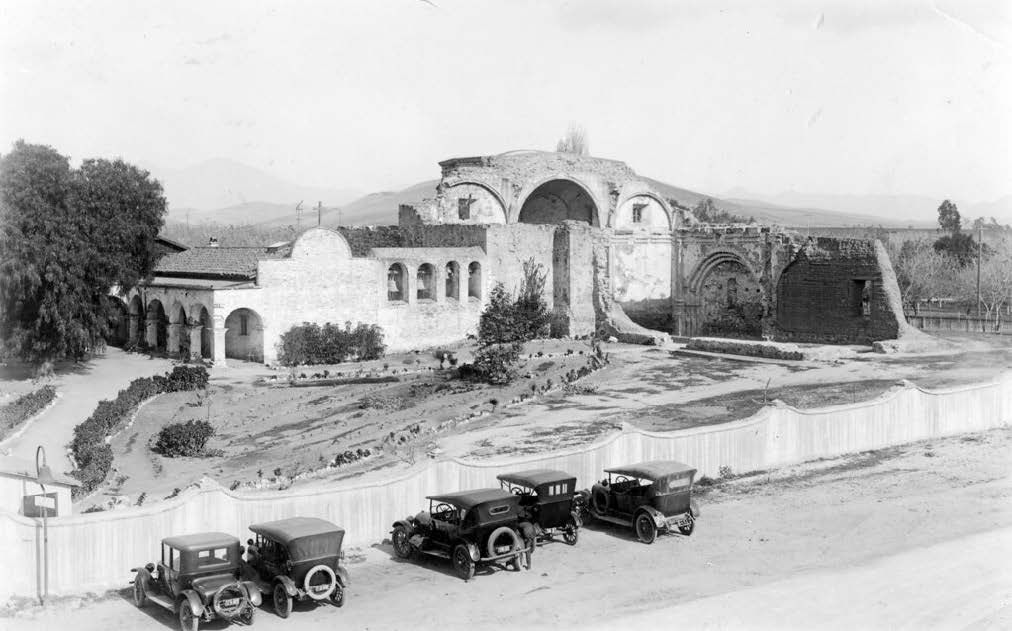
After thousands of years of Native American cultures in California, the first Europeans arrived in a Spanish ship off the coast of what is now San Diego in 1542. But European settlement in California did not begin until more than 200 years later when Spanish priests and soldiers established a mission in San Diego and a few years later, in 1776, established Mission San Juan Capistrano in what is now Orange County.
Spain claimed California and much of what is the American southwest as Spanish possessions, often unjustly supplanting Native American people and subjecting them to forced labor. In 1821, Mexico declared independence from Spain, much as the United States had claimed independence from England 45 years earlier. California and the other Spanish territories of the southwest became part of Mexico. Conflicts arose as immigrants from the United States to these Mexican territories increased, culminating in a war initiated by the United States in 1846. The Mexican-American War ended on Feb. 2, 1848, with the Treaty of Guadalupe Hidalgo, in which Mexico ceded California and what are now the southwestern states to the United States for $15 million. Also in 1848, gold was discovered, and new waves of immigrants from Europe, Asia and Latin America poured into California, even before it became a state in 1850. This migration added to the tapestry of diversity that continues to characterize California today.

 Select Language
  Scavenger Hunt Items